
Every Accident-Related Neck Injury Deserves Care Based on Its Specific Cause
The impact might last only a second, yet turning your head afterward can suddenly feel like a difficult task. One driver notices tightness before leaving the scene, while another wakes up the next morning with an aching neck and a headache. Similar collisions can leave people with very different injuries, which is why copying someone else’s recovery plan rarely makes sense. Anyone considering BPR Method Chiropractic, Gulf Breeze, should begin with a careful medical assessment, not an assumption that all post-accident pain is simple muscle strain. The first priority is understanding what happened to the neck and whether anything more serious needs attention.
A useful evaluation starts with the story of the collision. Was the vehicle struck from behind or from the side? Did the head hit anything? When did the symptoms begin? Those details help a healthcare professional interpret stiffness, tenderness, restricted movement, or pain spreading toward the shoulders. Examination may include checking neck motion, strength, sensation, and reflexes, with imaging arranged when clinical findings suggest it is necessary. Some symptoms call for urgent medical care instead of a routine appointment, particularly severe neck pain after trauma, new weakness or numbness, confusion, or a worsening headache. Safety has to come before hands-on treatment.
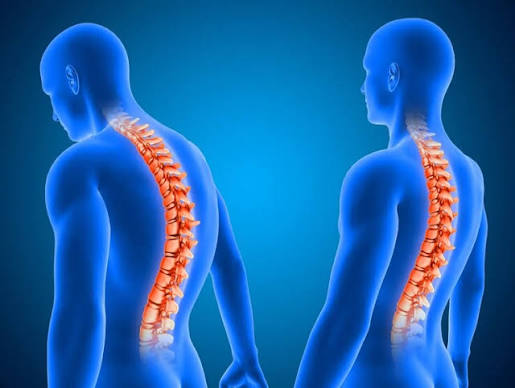
Once serious injury has been ruled out, recovery can be planned around the person’s particular limitations. Someone struggling to look over a shoulder may need a different emphasis from someone whose main complaint is soreness after sitting at a desk. Depending on the diagnosis, care might involve gentle movement exercises, physical therapy, advice on comfortable activity, and appropriate pain management. There is no prize for choosing the most intensive treatment. In fact, forceful neck techniques should not be used when an unstable injury or other contraindication is suspected. A responsible plan explains why each recommendation fits, rather than promising that one technique fixes every case.
Recovery also unfolds outside the treatment room. Sleeping positions, long drives, screen time, and even the habit of holding the shoulders tense can affect how the neck feels throughout the day. Short periods of comfortable movement may be more helpful than staying completely still, although activity should follow clinical advice and symptoms. Keeping track of which movements improve or aggravate discomfort gives the clinician something practical to review. And patience matters. Some people recover relatively quickly, while others need more time and follow-up. Changes in symptoms are reasons to reassess the plan, not simply push through and hope for the best.
Choosing a provider after an accident should involve more than finding the nearest available appointment. Ask how injuries are screened, whether a medical referral is needed, and what progress will look like from week to week. For people looking into BPR Method Chiropractic, Gulf Breeze, those questions can help guide an informed conversation about suitable care and any necessary coordination with other clinicians. Neck pain after a collision deserves attention, but it also deserves perspective: reducing discomfort is only part of the goal. The bigger aim is to regain comfortable, confident movement through a plan shaped by the actual injury, not a generic checklist.